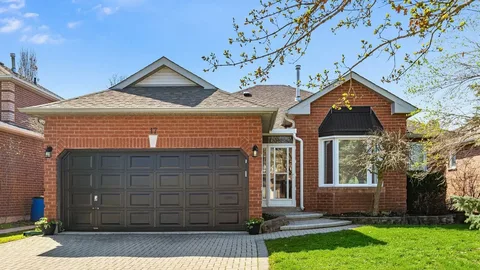
Understanding Property Taxes for Single Family Homes for Sale in Ontario
Property taxes are an ongoing cost that can significantly affect the financial structure of a home purchase. Looking only at an asking price can leave buyers with an incomplete understanding of what ownership may cost each year. Municipal tax rates, assessed value, property classification, and local taxation policies all influence the final amount. These factors should be reviewed alongside other recurring housing expenses before comparing properties.
For buyers considering single family homes for sale in Ontario, understanding property taxation provides a clearer view of long-term ownership costs. The amount shown in a listing may represent a previous tax year, an estimate, or another figure that does not reflect future obligations. Reviewing assessment information, municipal tax records, and closing adjustments can help establish a more accurate financial picture before a transaction is finalized.
How Property Taxes Work for Ontario Single Family Homes
In most cases, property taxes in Ontario are based on the assessed value of a property and the tax rates set by the municipality. MPAC prepares assessments, and the municipalities levy their own tax rates to calculate the total amount of property taxes that will be paid, including education taxes.
The Municipal Property Assessment Corporation (MPAC) assesses properties throughout Ontario. This is a separate assessment from the price in a real estate sale.
The difference is significant when buying a single family home for sale in Ontario as assessed value does not always equal current market value. Municipalities setting their own tax rates do so according to their budgets and requirements for taxation and these rates may vary between municipalities.
Most property taxes consist of municipal and education taxes. The municipal portion funds services and infrastructure at the local level, and the education portion is gathered under the provincial property-tax system.
What Determines the Property Tax Amount on a Home?
Tax bills for two identical houses are not necessarily identical, since the value as assessed for tax purposes, type of property, municipal rates, and local taxation requirements can all vary. Thus the location may make a difference in annual tax liability even though properties are similar in design, size and market value.
Assessment is just one component of the calculation for a single family home for sale in Ontario. Tax rates are set by municipalities depending on their financial needs and can thus result in varying amounts of taxes per community per year.
Assessment may also be influenced by property characteristics. The size, location, buildings, extensions and other features may affect the value of a property.
The price of a home is not necessarily the assessment value. The transaction price is the price agreed between the buyer and seller at a specific moment, and assessment is part of another tax assessment.
How Municipal Tax Rates Affect Homeownership Costs
Municipal taxes directly impact recurring ownership costs by impacting the amount of tax over a property’s assessed value. Municipalities have varied budgets and tax needs, which means that two properties with identical values may have different annual tax burdens because of their locations.
Municipal property taxes are used to provide services and infrastructure at the municipal level such as roads, public facilities, emergency services and other municipal services. Because taxation and services are linked, there is more to the purchase price of a location than financial implications.
A more expensive house in a municipality with a lower tax rate could be subjected to a higher tax burden than a less costly house in a municipality with a higher tax rate. Purchasers should then take into account the on-going costs as well as the cost of the initial purchase.
Why Property Assessment Matters When Comparing Homes
When considering a single family home for sale in Ontario it is helpful to get a sense of the properties due to be assessed, but it is not the same as market value. By looking through assessment records and tax rolls, it can be determined if a quoted tax figure seems in line with the tax history of the property.
A property assessment notice contains information used in the property-tax system in Ontario. Assessment history data can be used to provide insight into why assessments may vary from similar properties.
The purchase price of a home does not necessarily equal the home’s assessment value. The price a person pays for a property and the assessed value of a property can differ due to market conditions, when the property is sold, the method used to assess the property, and the municipal taxes levied on the property.
If the circumstances in which the assessment is being made are unusual or difficult to interpret, professional review may be appropriate in order to avoid depending on an estimated annual tax figure.
How New Construction Can Affect Property Tax Expectations
The uncertainty of new construction comes when the final assessment and municipal bill have not yet been determined when a transaction is negotiated. Estimated taxes should be considered as an expected cost and not a definite future cost.
Newly constructed single family homes for sale in Ontario can be a concern for assessment purposes as the building is not yet likely to have a full assessment history.
A builder/lister may make an assessment using information available at the time of the builder/lister’s assessment, but this may vary when the assessment is made. Additional or missing assessments also may be relevant if a property has not been assessed in its entirety before.
This is the reason why it’s crucial to understand the difference between the estimated tax amount and the actual municipal bill. The assumptions made in an estimate may be examined by the buyer and professional clarification sought if the assessment is not clear.
Property Taxes and the True Cost of Buying a Home
Home ownership is not just about the initial purchase price and the upfront costs but is an ongoing expense that is more like property taxes. The realistic ownership analysis includes the taxes, mortgage payments, insurance, utilities, maintenance and other property specific costs.
In the case of single family homes for sale in Ontario, the tax liability could make a significant difference in the cost of owning a home over a number of years. Acquisition costs (i.e., land transfer tax, legal costs, etc.) should be captured as one-time costs, separate from recurring costs.
Therefore, an analysis of affordability should take into account realistic costs that are expected to continue, not just the monthly mortgage payment. The type of assessment depends on the properties’ features, funding arrangement, maintenance needs, insurance premiums, and municipal taxes.
What Buyers Should Review Before Relying on a Property Tax Estimate
Tax data should be confirmed based on credible documentation, not just the appearance of the data in a listing or the data being verbal. The goal is to decide if the mentioned cost is for a current bill, historic figure or an estimate.
A professional review should take into account:
- The latest municipal tax data that is available.
- The value and type of the assessed property.
- Whether the tax amount stated is the actual or estimated.
- Any unpaid taxes or balances.
- Any recent changes in construction or improvements which may impact future taxes.
The municipality which is responsible for taxation should also be established. If there are differences between similar properties, the data and assessments should be reviewed and not attributed to a price question.
How Property Improvements Can Influence Future Tax Considerations
While there are a few property changes that could impact future tax issues, it’s determined by the nature and circumstances of the work. Normal maintenance is not the same as changes in the nature of a property.
Changes in the building, such as additions, structural alterations, newly finished areas, and other major changes, may require a more in-depth review. Because there is an improvement, does not necessarily mean that taxes will go up by a specific dollar amount.
Buyers considering a recently re-constructed or extended dwelling should therefore be aware of the difference between maintenance and improvement and request a qualified interpretation where future assessment implications may arise that could impact upon the transaction.
Understanding Tax Adjustments at Closing
Typically, property taxes are negotiated between the buyer and seller based on closing date. Normally the seller covers the period up to closing, and the buyer covers the period after closing for the applicable period.
These calculations are included in the statement of adjustment for the transaction. An adjustment may be granted to a buyer if taxes are paid for a time in excess of closing; however, if not paid, this situation can work against the buyer.
The exact calculation will be based on the tax status of the property and transaction papers. The lawyer who is closing should check this and advise you if the adjustment is not the same amount as expected.
Property Tax Risks That Can Affect Home Purchase Decisions
The risk relating to taxes may occur when the cost is estimated and doesn’t reflect the true tax position of the property. The expected cost of ownership can be impacted by outstanding balances, assessment changes, supplementary taxes, and classification.
Special consideration should be given to newly-built or newly remodeled properties. The initial tax estimate does not necessarily reflect the property’s ultimate tax position if assessment information changes.
Another factor to consider is any discrepancies that might exist between the taxes listed and the information provided from the municipality. Any outstanding tax issues should be resolved via counsel, the appropriate municipal department or tax professional prior to closing.
Comparing Single Family Homes by Total Annual Ownership Cost
Comparing single family homes for sale in Ontario requires more than placing asking prices side by side. Annual property taxes should be evaluated alongside insurance premiums, maintenance requirements, utilities, and other recurring costs.
A useful comparison can consider:
| Cost Factor | What to Examine |
| Property Tax | Current annual amount and assessment context |
| Insurance | Premium differences based on property characteristics |
| Maintenance | Age, systems, exterior materials, and expected upkeep |
| Location | Municipal taxation and service environment |
| Long-Term Cost | Recurring expenses over the expected ownership period |
Tax differences that appear modest in one year can become more significant when considered across many years of ownership. The purpose is not to identify the lowest-tax property automatically, but to understand the complete financial structure of each option.
Key Questions to Ask About Property Taxes Before Closing
Buyers and their professional advisors should finalize the current position of the property’s taxation and the property’s obligations for any changes that may impact the final taxation amount prior to close.
Key questions include:
- What is the maximum amount of the annual property taxes that has been confirmed?
- What is the assessed value and type of the property?
- Are all current taxes paid and current?
- Are the amounts quoted an estimate or actual bill?
- Are there any options for supplementary assessment?
- Are recent construction or improvements likely to impact future taxes?
- What will be the adjustments to the property taxes on the closing statement?
These questions provide the documentation to measure the property’s recurring ownership cost.
Conclusion
When buying single family homes for sale in Ontario, there is more to the price than you think. The cost of owning a property is ongoing and includes: Property assessment, Municipal tax rates, Property classification and potential changes in assessment. Recently built and improved properties will need extra attention as estimated taxation may not reflect the property’s actual assessment position. By examining municipal records, tax documents, closing adjustments and other pertinent transactions, a more accurate cost profile is developed. The fundamental rule is that closing should be accompanied by documentation, comparison and, if required, a professional verification of property-tax information. A purchase analysis should take into account the entire recurring costs of ownership, and not just the upfront price.
FAQs
Are property taxes based on a home’s purchase price?
No. Property taxes are neither a function of the transaction amount paid, but rather the assessed value of the property and applicable tax rates. Assessed value and purchase price are two different figures but can be helpful when considering a property’s financial picture.
Can property taxes change after buying a single-family home?
Yes. Municipal tax rate decisions, changes in assessment, property improvements or other factors that impact the property’s tax will cause future tax obligations to change. The amount presented at the time of purchase is therefore a snapshot and not a static amount.
Are new construction property taxes difficult to estimate?
They are not as confident when a completed property is not yet assessed or billed. Estimates may be subject to change, due to the application of supplementary assessment or updated municipal taxation, in particular.
Are property taxes adjusted when a home is sold?
Generally, yes. The seller’s and the buyer’s obligations are then balanced to the closing date and prepaid or outstanding items are shown on the statement of adjustments. This calculation is typically done by the transaction lawyer at the time of closing.
What should buyers do if the estimated taxes seem unusually low?
Any estimate that is unusually low should be checked and not taken on faith. When buying a newly constructed or recently renovated home, it is important for buyers to examine the assessment, tax history, property status and possible changes in assessments.